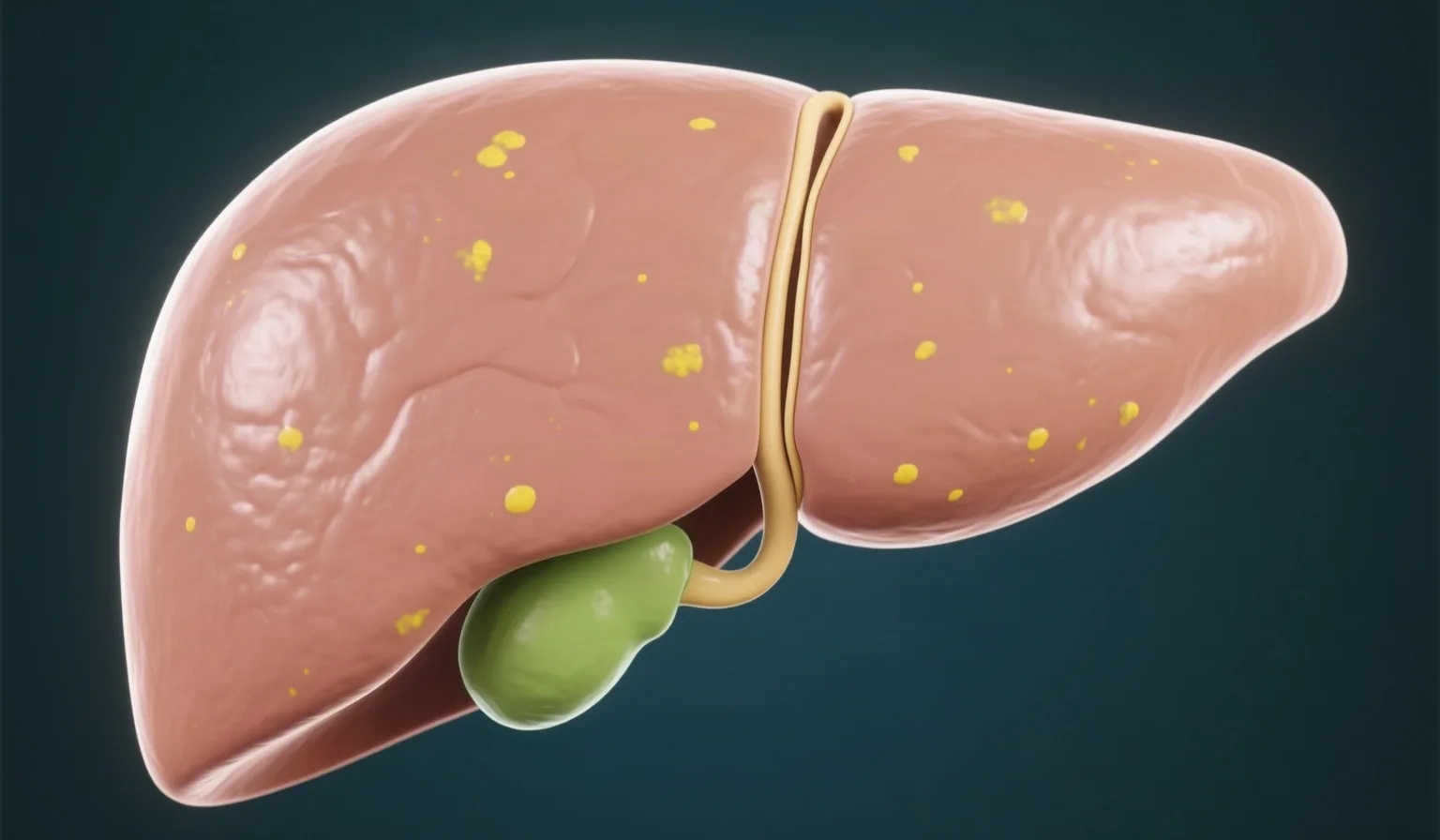
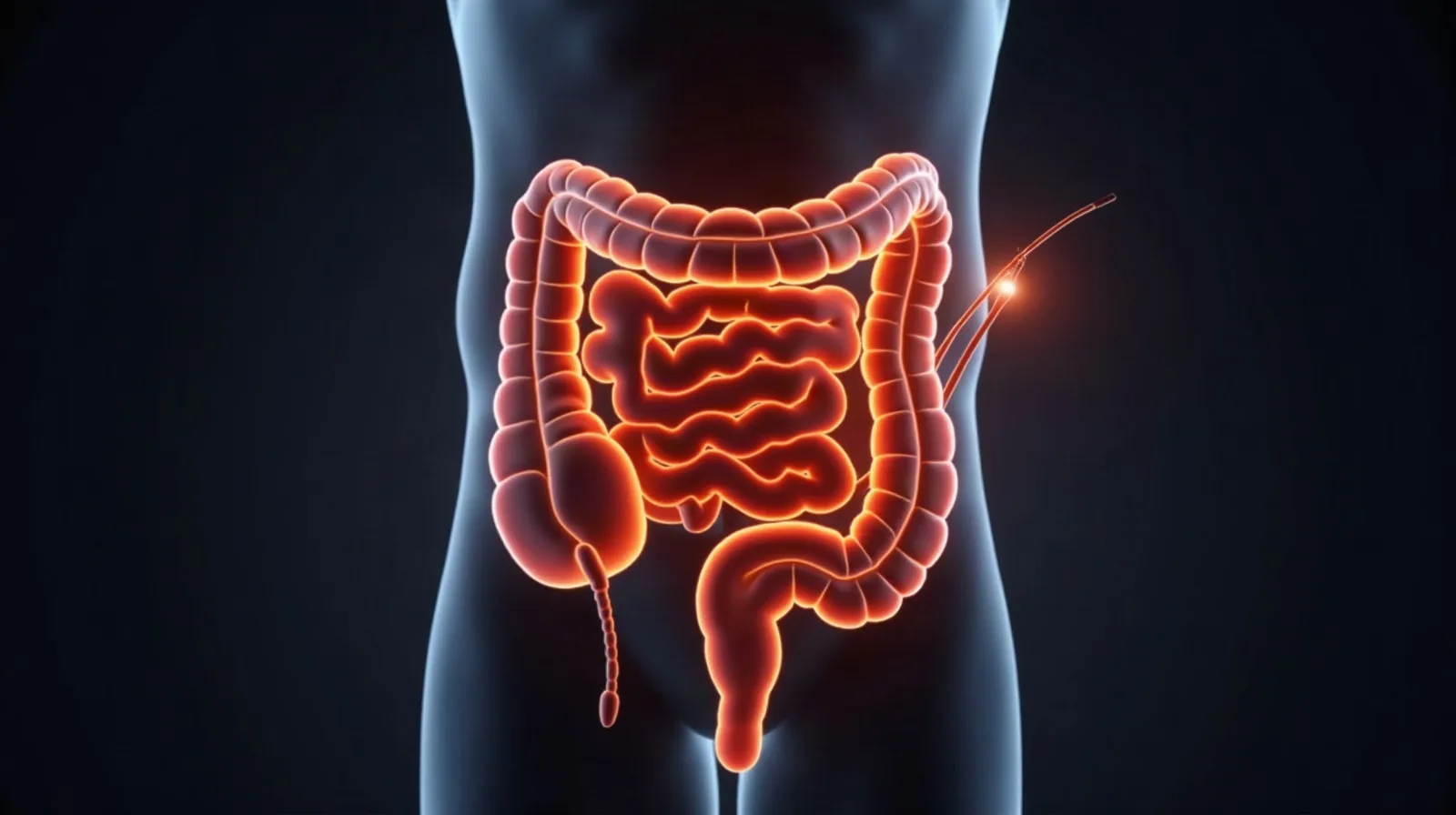
This is a lesion of a patient with intestinal metaplasia and low grade dysplasia in the anterior part of the antrum. The suspicious area extended towards the angulus. We show a thorough evaluation with chromoendoscopy and then ESD using the pocket creation method.
What endoscopic submucosal dissection is
ESD allows a lesion of the digestive tract to be removed in a single piece, through the endoscope and without any external incision. Fluid is injected beneath the lesion to lift it away from the muscle layer, the margins are marked, and the submucosa is then dissected under direct vision.
Why en bloc resection matters
This is the essential difference from mucosal resection (EMR), which removes tissue in fragments. Only en bloc removal allows the pathologist to assess the resection margins and the depth of invasion with confidence. That determines whether the removal was oncologically adequate, and it lowers the risk of local recurrence.
Intestinal metaplasia and dysplasia
Chronic gastritis leads to atrophy and intestinal metaplasia. Once dysplasia is added, the lesion sits within the sequence that ends in gastric cancer.
The role of chromoendoscopy
Before resection, chromoendoscopy with magnification defines the true margins of the lesion, which frequently extend beyond what is visible in white light. Without this step, resection risks leaving residual tissue behind.
After the resection
The specimen is sent for histology, and it is that report rather than the endoscopic appearance that determines the next step. Surveillance intervals are set by guideline and individualised per case; they are set out in detail on the page for colonoscopy.
Frequently asked questions
Sources
- European Society of Gastrointestinal Endoscopy, Post-polypectomy colonoscopy surveillance: ESGE Guideline Update 2020. https://doi.org/10.1055/a-1185-3109
Content last updated: September 2026 (22/09/2026).