A 4-days training course in basic (14.-15.09.22) and in advanced (16.-17.09.22) therapeutic endoscopy has come to an end. Excellent organization and collaboration of the Endoscopy School, the Hellenic Society of Gastrointestinal Oncology and the Hellenic Society of Gastroenterology. Many thanks to the organizing and scientific committee, the numerous trainees and of course the Greek and Japanese faculty that honored us with their participation.


What advanced therapeutic endoscopy training covers
These techniques cannot be learned from a text. They require supervised hands-on practice, because what matters is real-time handling: maintaining the correct dissection plane, stabilising the working field, and dealing immediately with bleeding or perforation.
- ESD, en bloc submucosal dissection
- EMR, mucosal resection for smaller confined lesions
- EFTR, full thickness resection
- POEM, peroral endoscopic myotomy for achalasia
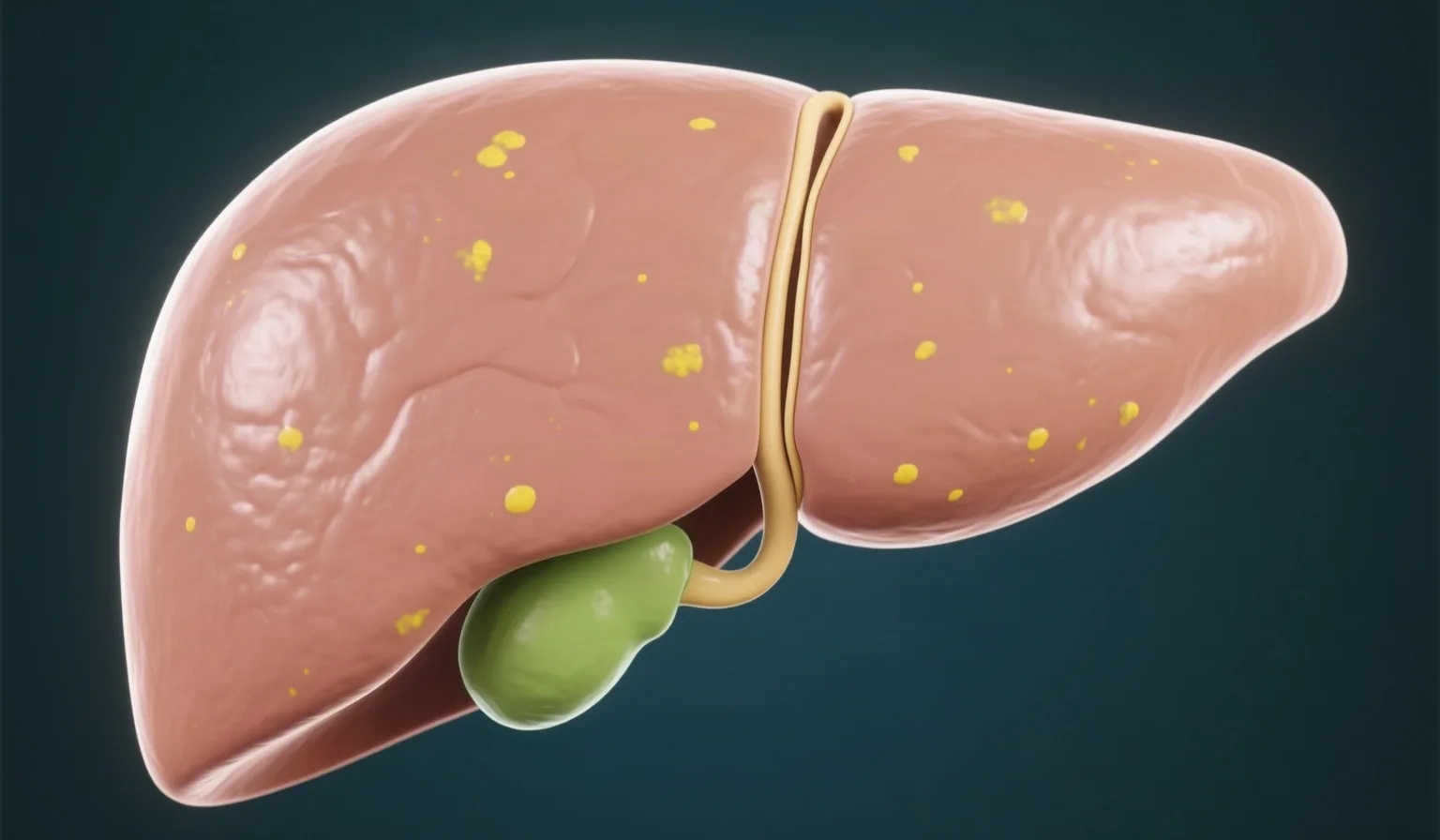
- ERCP with cholangioscopy for biliary disease
Why these courses exist
Most of these techniques were developed in Japan, where population screening for gastric cancer is extensive and early lesions are found often. Transferring that expertise from high volume centres is how the methods spread, and the aim is that a patient can be treated endoscopically without having to travel for it.
What the patient gains
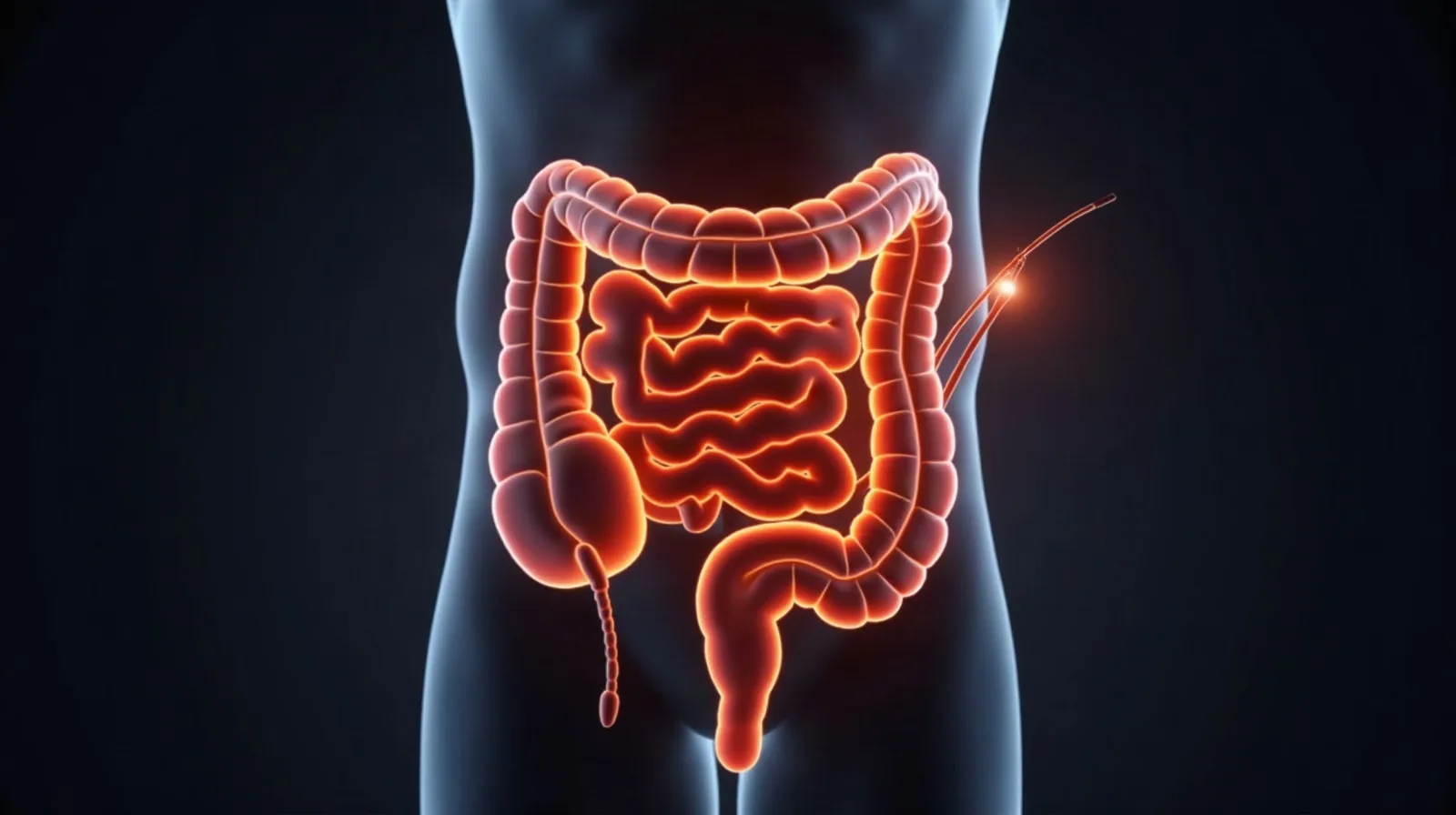
The spread of these techniques has direct consequences. An extensive rectal lesion that once meant resection of a bowel segment, with a possible permanent stoma at low levels, is now removed endoscopically with the organ intact. An ampullary adenoma that meant a Whipple procedure, removing part of the pancreas and duodenum, is treated by ampullectomy.
The limit is set by staging. Where invasion extends beyond the superficial layers, or there is a risk of lymph node spread, surgery remains the correct choice.
Frequently asked questions
Content last updated: September 2026 (22/09/2026).