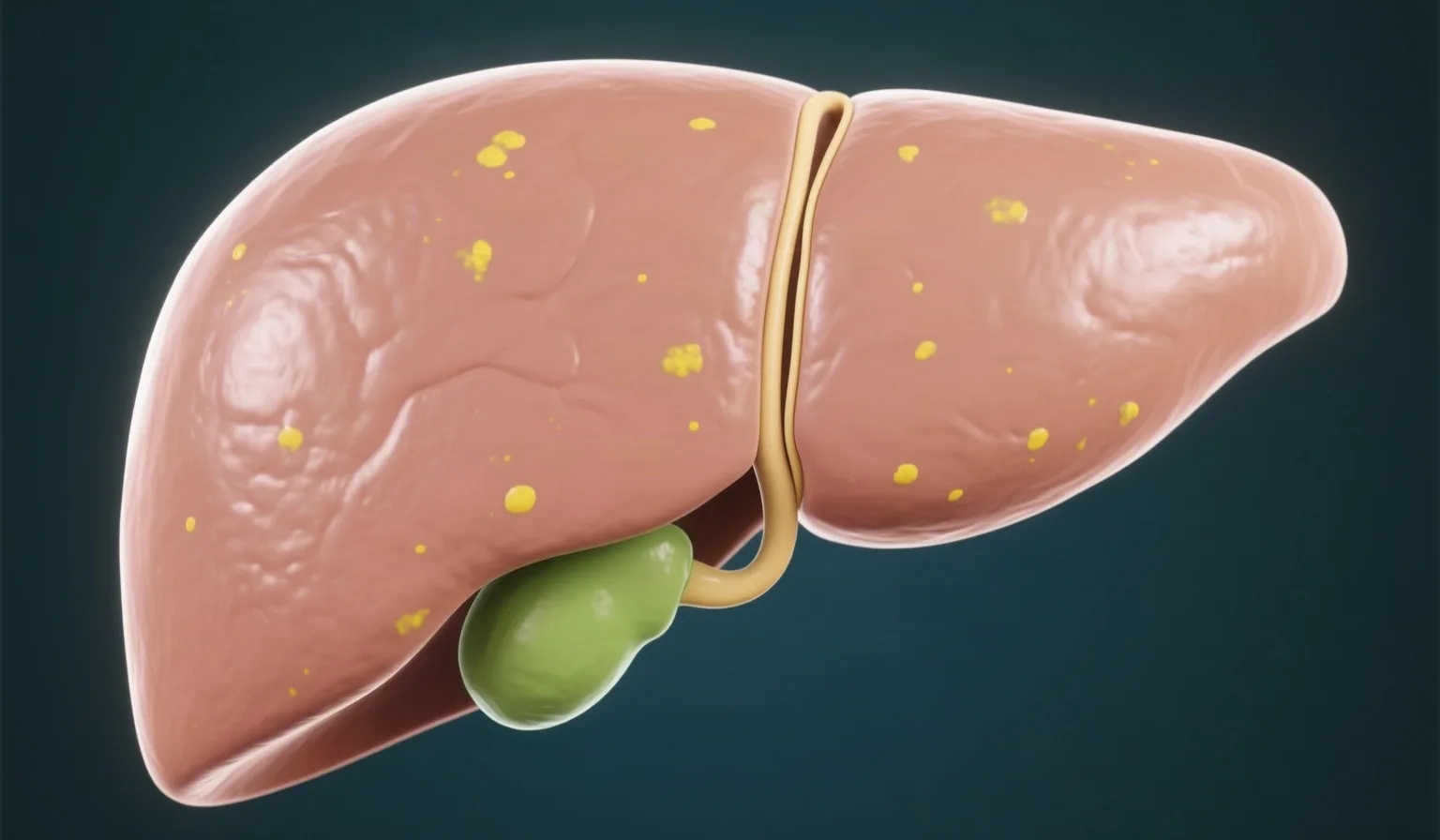
This patient presented with an adenoma of the ampulla of Vater. EUS and MRI didn’t show any ductal involvement. An ampullectomy was performed in less than half an hour without any complications. He avoided thus, a more severe operation.
Adenoma of the ampulla of Vater
The ampulla is where the bile duct and pancreatic duct open into the duodenum. An adenoma there is a premalignant lesion that can progress to ampullary carcinoma. It is often found incidentally at gastroscopy, or after jaundice and biliary obstruction.
Why staging comes first
The decisive question before treatment is whether the adenoma extends into the ducts. While it remains confined to the ampulla, endoscopic removal is feasible. With intraductal extension, endoscopic resection cannot guarantee complete removal. Endoscopic ultrasound and MRCP are therefore performed beforehand.
The procedure and its alternative
Ampullectomy removes the ampulla together with the lesion endoscopically, with stents placed in the ducts where needed to prevent obstruction. The alternative is pancreaticoduodenectomy, the Whipple procedure, major surgery removing part of the pancreas and duodenum. The difference in morbidity and recovery is considerable.
After the procedure
The material obtained is sent for histology, and it is that report rather than the endoscopic appearance that determines the next step. Recovery is short compared with surgery: eating and normal daily activities are generally resumed within a few days. Patients are given instructions on avoiding strenuous effort and on medications affecting coagulation, in particular anticoagulants and antiplatelet agents. Decisions about further treatment are usually taken by a multidisciplinary team, taking histology, staging and general condition into account.
Frequently asked questions
Sources
- European Society of Gastrointestinal Endoscopy, Post-polypectomy colonoscopy surveillance: ESGE Guideline Update 2020. https://doi.org/10.1055/a-1185-3109
Content last updated: September 2026 (22/09/2026).