Seeing blood in your stool or on the toilet paper is frightening. Most of the time, however, it has benign and treatable causes. The goal is not to reassure yourself on your own, but to recognize which signs need immediate medical evaluation and which can be looked into at a scheduled appointment.
At a glance
- Visible blood in the stool always needs a medical evaluation, even if you suspect hemorrhoids.
- Bright red blood usually comes from the rectum or anus. Black, tarry stools point to bleeding from the upper digestive tract and require immediate evaluation.
- Warning signs: persistent or recurring bleeding, a change in bowel habits, unexplained weight loss, anemia or fatigue, age over 45 to 50, family history.
- Colonoscopy remains the gold-standard test: it finds the cause and, when needed, treats it in the same session (e.g., removal of polyps).
When you need immediate medical evaluation
- A large amount of blood, clots, or toilet water that turns red
- Black, tarry, foul-smelling stools (melena)
- Dizziness, weakness, feeling faint, a racing heart or paleness
- Severe abdominal pain or fever together with bloody diarrhea
- Bleeding that continues and does not stop
In these cases, go to an emergency department right away or call for help. Do not drive yourself if you feel weak or dizzy.
Why does blood appear in the stool?
Bleeding from the digestive system can start anywhere, from the anus up to the stomach. In most of the cases doctors see, the cause is benign, such as hemorrhoids or an anal fissure. The patient, however, cannot know this in advance.
Calling bleeding harmless is a diagnosis made by the doctor after more serious causes have been ruled out, not a judgment you can make on your own. The reason is simple: colon cancer and polyps can cause symptoms similar to hemorrhoids, but they are curable when found early. That is why any visible or hidden bleeding deserves an evaluation.
The color of the blood and what it may indicate
The color and appearance of the blood give useful clues about where the source is. They are not, however, a diagnosis, as there are important exceptions.
Possibly a benign cause
Usually from the lower digestive tract: the rectum or anus. Typically linked to hemorrhoids or a fissure.
Needs evaluation
It may come from higher up in the colon, e.g., from diverticula or a lesion in the bowel. It needs to be investigated.
Immediate evaluation
Suggests bleeding from the upper digestive tract (stomach or duodenum), often from an ulcer. Requires immediate evaluation.
Detected by testing
It cannot be seen with the naked eye and is detected only with a laboratory stool test (FIT). It may be an early sign of a polyp or neoplasia.
Watch out for exceptions: a low lesion in the rectum can produce bright red blood that looks like hemorrhoids, while a slowly bleeding lesion higher up can darken the stool. That is why self-diagnosis based on color is not safe. When the upper digestive tract is suspected, the workup is done with gastroscopy, and for the lower tract with colonoscopy.
Add image here
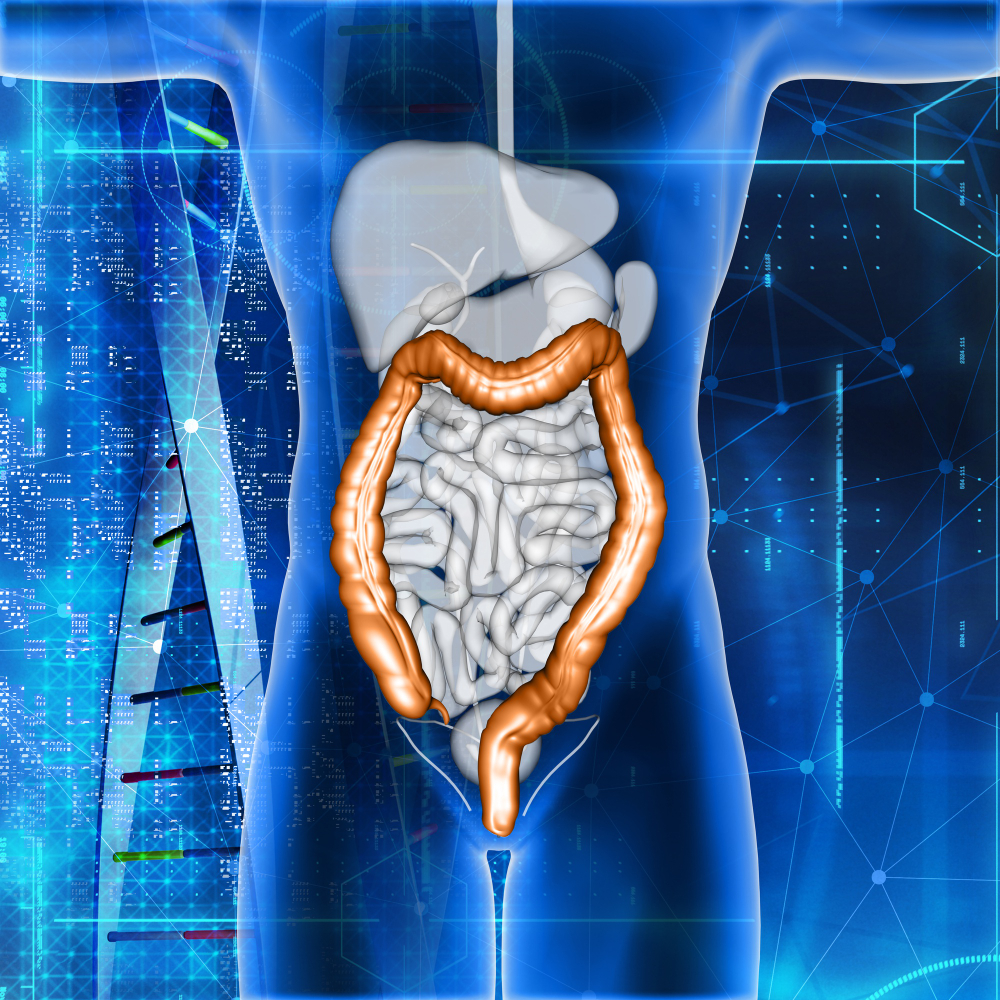
A timely evaluation gives clear answers and peace of mind.
Blood without pain: why it is not reassuring on its own
This is the question most patients ask, and the answer is often misunderstood.
Painless bleeding is indeed the typical picture of internal hemorrhoids. They sit above the dentate line, in an area without sensory nerve endings, which is why they bleed without hurting. Pain during a bowel movement, by contrast, is typical of an anal fissure.
The critical point: polyps and colon cancer also bleed without pain. The absence of pain does not separate a harmless cause from a serious one. Of all the features of bleeding, it is the least useful criterion.
In practice, the fact that you are not in pain does not remove the need for an evaluation. How urgent the situation is depends on the amount, how long the bleeding persists, your age and any accompanying symptoms, not on pain.
Pink water in the toilet bowl usually means a small amount of fresh blood that has been diluted, and it is handled like any other visible bleeding. Blood together with mucus, especially with diarrhea or urgency, points toward inflammatory bowel disease or infectious colitis and needs to be investigated.
When bleeding appears after hard stools and heavy straining, the most likely cause is a fissure or hemorrhoids. Treating constipation helps, but it does not replace an evaluation if the bleeding persists or comes back.
Common benign causes
Most cases of visible bleeding from the anus are caused by conditions that respond well to treatment. Even so, the diagnosis must be confirmed by a doctor.
Hemorrhoids
They are the most common cause. They typically cause painless, bright red bleeding at the end of a bowel movement, often after constipation or heavy straining. Larger hemorrhoids may cause pain or itching.
Anal fissure
A small tear in the lining of the anus, usually caused by hard or bulky stools. Its hallmark is sharp pain during a bowel movement, together with a small amount of bright red blood.
In both cases, regular bowel function is your main ally. Constipation and heavy straining make the problem worse, so fiber, drinking enough fluids and not sitting on the toilet for long periods all help.
Causes that need attention
Some bowel conditions show up as blood in stool and need a targeted workup. Many of them can be treated effectively when found early.
Small pouches in the bowel wall that can bleed, sometimes with significant, painless blood loss.
Often without symptoms. Some types are prone to becoming malignant, which is why early removal is crucial.
Crohn’s disease and ulcerative colitis: bleeding with mucus, diarrhea, abdominal pain and a feeling of fatigue.
It can cause visible or hidden bleeding and a change in bowel habits. It is often curable when diagnosed early.
Less often, blood in stool can be caused by bowel infections, vascular lesions or medicines that affect blood clotting, such as anticoagulants and nonsteroidal anti-inflammatory drugs. Black stools from bleeding in the upper digestive tract are often linked to a peptic ulcer.
Dr. Thomaidis safely identifies the cause and guides you through the next steps.
Signs that need investigation
Beyond emergencies, there are certain findings that, when they come with bleeding, make investigation essential. If you recognize any of the following, schedule an evaluation with a gastroenterologist.
- Bleeding that persists or keeps coming back, even if the amount is small
- A change in bowel habits (diarrhea or constipation) that lasts more than a few weeks
- Unexplained weight loss or loss of appetite
- Fatigue, paleness or confirmed iron-deficiency anemia
- Age over 45 to 50 with new-onset bleeding
- Family history of colon cancer or colon polyps
- Blood mixed into the stool, not just on its surface or on the paper
How the investigation is done
The goal is to find the source of the bleeding safely. The approach is tailored to your age, symptoms and medical history, and usually follows these steps:
- Medical history and physical exam: Features of the bleeding, accompanying symptoms, medications and family history, along with a digital rectal exam where appropriate.
- Blood tests: A complete blood count to check for anemia and markers such as ferritin to assess any loss of iron.
- Fecal immunochemical test (FIT): Detects microscopic traces of blood that cannot be seen. A positive result leads to a colonoscopy.
- Colonoscopy: The gold-standard test for the lower digestive tract. It allows direct viewing, biopsies and removal of polyps in the same session.
Proper colonoscopy preparation is crucial for the quality of the exam. When the findings point to the upper digestive tract, the workup is completed with gastroscopy.
Add image here
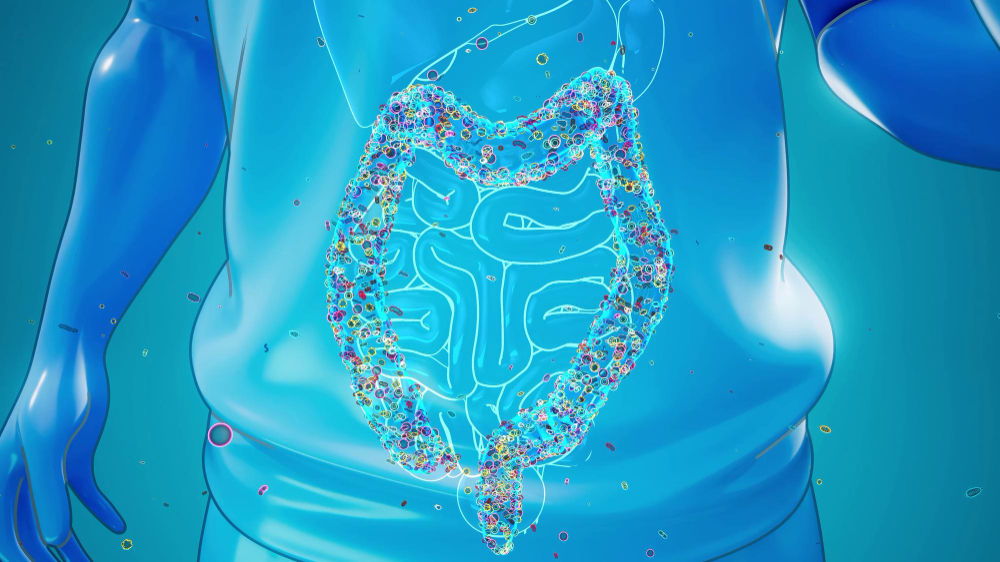
Diagnosis and treatment of polyps in the same session, safely and discreetly.
Prevention and screening
Many serious causes of bleeding, especially colon cancer, can be prevented or detected early. For the general population at average risk, screening usually starts at age 45, with colonoscopy at regular intervals or with a fecal immunochemical test (FIT), which, if positive, leads to a colonoscopy.
If there is a family history, inflammatory bowel disease or a hereditary syndrome, screening starts at a younger age and is tailored to the individual. The great advantage of colonoscopy is that it can remove polyps before they progress, turning screening into real prevention.
Frequently asked questions
Does blood in stool always mean cancer?
No. In the vast majority of cases the cause is benign, such as hemorrhoids or an anal fissure. However, because colon cancer can cause similar symptoms and is curable when diagnosed early, any visible or hidden bleeding should be evaluated by a doctor rather than simply blamed on hemorrhoids.
I saw a little blood only on the toilet paper. Should I be worried?
A small amount of bright red blood on the paper, especially after constipation or heavy straining, is often due to hemorrhoids or a fissure. Still, even a little blood deserves an evaluation, because low lesions in the rectum can look similar. If it happens again or comes with a change in bowel habits, testing becomes essential.
What does bright red blood mean compared with black stools?
Bright red blood usually comes from the lower digestive tract (rectum, anus). Dark red or maroon blood may come from higher up in the colon. Black, tarry stools suggest bleeding from the upper digestive tract, such as the stomach or duodenum, and need immediate evaluation. Note that low lesions in the rectum can look like hemorrhoids, which is why an evaluation is essential.
Hemorrhoids or something more serious? How can you tell them apart?
They cannot be told apart with certainty by how they look. Hemorrhoids typically cause painless, bright red bleeding at the end of a bowel movement, while a fissure comes with sharp pain. But polyps and neoplasms can bleed in a similar way. A reliable distinction is possible only with a clinical examination and, where needed, a colonoscopy.
I have blood in my stool but no pain. Should I be worried?
Painless bleeding is not reassuring. Although it is often due to hemorrhoids or diverticula, the absence of pain does not rule out polyps or cancer, which often cause no pain in the early stages. So it needs an evaluation, especially if you are over 45 to 50 or have other warning signs.
How many days can blood in stool last? When does it stop on its own?
Minor bleeding from hemorrhoids or a fissure often settles within a few days as bowel function improves. If it lasts more than a few days, recurs or keeps coming back, it needs an evaluation regardless of the amount. The blood going away on its own does not rule out a more serious cause, so a checkup is recommended if it recurs.
What tests will I need?
The workup usually includes a medical history, a digital rectal exam, blood tests (a complete blood count for anemia, ferritin) and, where appropriate, a fecal immunochemical test for blood in the stool (FIT) and a colonoscopy. Colonoscopy finds the cause and allows biopsies or polyp removal in the same session.
At what age should I start colon screening?
For the general population at average risk, screening usually starts at age 45, with colonoscopy and/or FIT. With a family history, inflammatory bowel disease or hereditary syndromes, screening starts earlier and is tailored by the gastroenterologist.
Book your appointment with Dr. Thomaidis
Noticed blood in your stool? A timely, specialized evaluation gives a clear diagnosis and peace of mind. Contact us today to schedule an appointment.
Send us your request
Fill in your details and we will contact you to schedule your appointment.
Sources
- NHS - Bleeding from the bottom (rectal bleeding). https://www.nhs.uk/symptoms/bleeding-from-the-bottom-rectal-bleeding/
- NICE - Suspected cancer: recognition and referral (NG12). https://www.nice.org.uk/guidance/ng12
- ESGE - Colorectal polypectomy and endoscopic mucosal resection (EMR): ESGE Clinical Guideline. https://doi.org/10.1055/s-0043-102569
- American Cancer Society - Colorectal Cancer Screening Guideline. https://www.cancer.org/cancer/types/colon-rectal-cancer/detection-diagnosis-staging/acs-recommendations.html
- European Commission Initiative on Colorectal Cancer (ECICC) - European guidelines on colorectal cancer screening and diagnosis. https://cancer-screening-and-care.jrc.ec.europa.eu/en/ecicc/european-colorectal-cancer-guidelines

About the doctor
Dr. Thomas Thomaidis, MD, PhD - Interventional Gastroenterologist. Associate Professor of Gastroenterology specializing in diagnostic and therapeutic endoscopy, member of international scientific societies (ASGE, DGVS, Hellenic Society of Gastroenterology). See his full CV.
Book an appointment for a diagnostic checkup.
This article is for information purposes only and does not replace personalized medical advice, diagnosis or treatment. If you have bleeding or worrying symptoms, see a doctor.
Content last updated: October 2026 (12/10/2026).