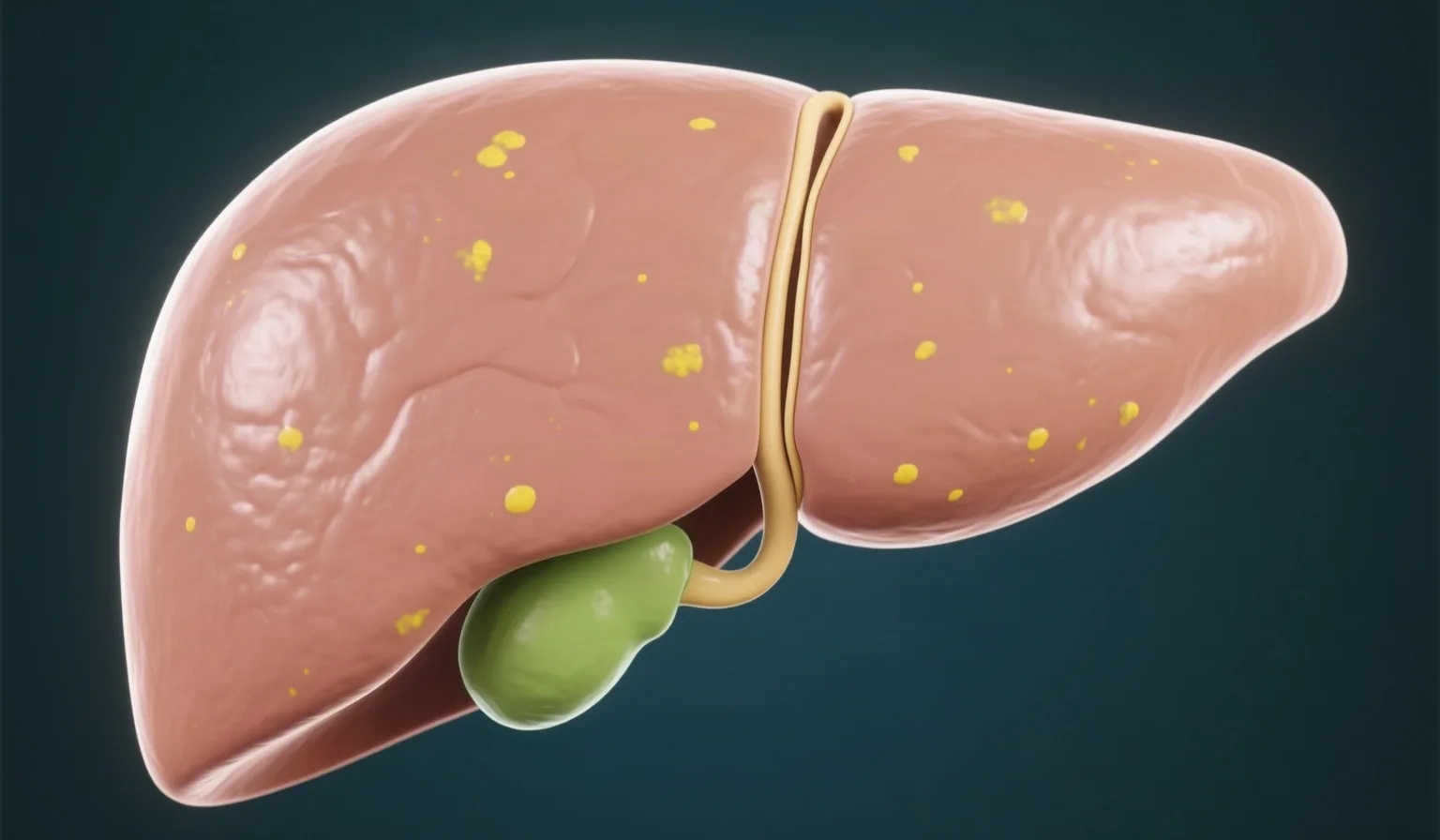
Colorectal cancer is one of the most common cancers, but also one of the most preventable. The reason is that it almost always starts from a benign polyp, which takes several years to progress. Screening colonoscopy makes use of exactly this window of time. The most common question is a simple one: at what age should screening begin?
Why screening saves lives
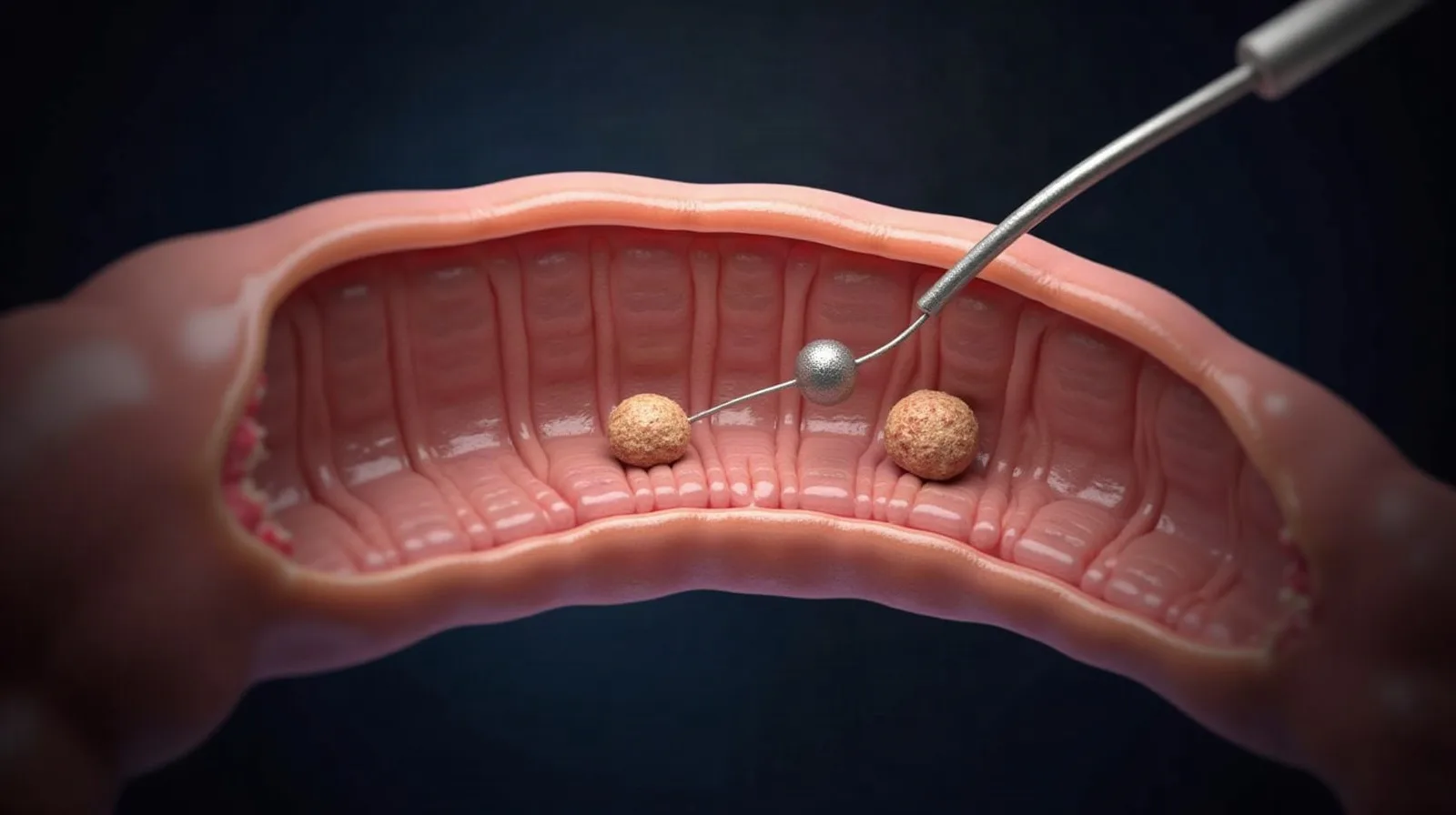
Colonoscopy is the only test that diagnoses and treats at the same time. By finding and removing polyps in the same session, it interrupts the path to colorectal cancer before the cancer has a chance to develop. So it is not only a diagnostic tool, but also a true means of prevention.
Because the early stages are almost always symptom-free, screening is aimed at healthy people who have no complaints. We do not wait for a symptom before we check. We check precisely to get ahead of it.
At what age screening starts for the general population
For people at average risk, current international guidelines recommend starting screening at age 45, regardless of sex. This recommendation is made by both the American Cancer Society and the U.S. Preventive Services Task Force.
Regular screening continues up to age 75 for people who are in good general health and have a life expectancy of more than 10 years. For ages 76 to 85, the decision is made on an individual basis, taking into account overall health, screening history and the person’s preferences. After age 85, screening is generally not recommended.
Why the starting age dropped from 50 to 45
Until recently, screening started at 50. The starting age was lowered to 45 because in recent years there has been a clear rise in colorectal cancer cases in younger people. Studies showed that the rate at which polyps are found in people aged 45 to 49 is comparable to that in people aged 50 to 54. Starting earlier therefore makes it possible to find and remove lesions sooner.
When you should start earlier
The starting age of 45 applies to people at average risk. Some groups are at increased risk and need to start earlier, be checked more often and, usually, have a colonoscopy specifically rather than another method:
- A family history of colorectal cancer or advanced colon polyps. Screening usually starts at 40, or 10 years before the age at which the youngest relative was diagnosed.
- Hereditary syndromes, such as familial adenomatous polyposis (FAP) and Lynch syndrome. These require specialized protocols and screening from a very early age.
- Chronic inflammatory bowel diseases, such as ulcerative colitis and Crohn’s disease, where screening usually starts 8 to 10 years after diagnosis.
- A personal history of polyps or colorectal cancer, which requires a surveillance program.
- Previous radiation therapy to the abdomen or pelvis for another cancer.
In all of these cases, the gastroenterologist sets the starting age and how often screening is done on an individual basis.
Don’t wait until 45 if you have symptoms
It is important to make a distinction. Screening is for people without symptoms. When there are complaints, colonoscopy is done for diagnostic reasons, regardless of age, and should not be put off until 45. Symptoms that need prompt evaluation include:
- Blood in the stool, either visible or detectable with a lab test
- A persistent change in bowel habits, such as diarrhea or constipation
- Unexplained weight loss or iron-deficiency anemia
- Chronic, persistent abdominal pain
How often colonoscopy is repeated
When the colonoscopy is normal and the person is at average risk, it is usually repeated every 10 years. The interval is shorter when polyps are found and removed, and it depends on their number, size and tissue type (histology). For people at increased risk, screening is more frequent. The gastroenterologist sets the exact schedule based on the findings.
How to prepare and what to expect
The test is done under light sedation, is painless and typically takes fifteen to thirty minutes. Proper bowel preparation plays a key role in accuracy, because a clean bowel makes even the smallest lesions visible. Detailed instructions are given to you individually before the test.
Frequently Asked Questions (FAQs)
Sources
- American Cancer Society, Colorectal Cancer Screening Recommendations: cancer.org
- U.S. Preventive Services Task Force, Colorectal Cancer: Screening (2021): uspreventiveservicestaskforce.org
- Centers for Disease Control and Prevention (CDC), Screening for Colorectal Cancer: cdc.gov
Book your appointment
Timely screening is the most effective measure against colorectal cancer. To assess your individual risk profile and schedule your test, contact Dr. Thomaidis.
Send your request
Fill in your details and we will contact you to schedule your appointment.
About the doctor
Dr. Thomas Thomaidis, MD, PhD – Interventional Gastroenterologist. Associate Professor of Gastroenterology specializing in diagnostic and therapeutic endoscopy, member of international scientific societies (ASGE, DGVS, Hellenic Society of Gastroenterology). See the full CV.
This article is for informational purposes only and does not replace personalized medical advice, diagnosis or treatment. For your own screening and follow-up plan, consult a doctor.
Content last updated: October 2026 (12/10/2026).