Stomach polyps are removed endoscopically when they are adenomatous, when they are larger than 10 mm, or when a biopsy shows dysplasia. Hyperplastic polyps and fundic gland polyps, which are also the most common, are usually monitored without removal.
Stomach polyps are a relatively common finding, often discovered by chance during a gastroscopy. Although they are benign most of the time, in some cases they may carry a risk of malignancy. That is why early diagnosis and – when considered necessary – their removal are extremely important for preventing more serious health problems.
Endoscopic removal of stomach polyps is a modern, minimally invasive procedure that allows them to be removed safely without the need for surgery. It is a method performed by specialized gastroenterologists, and it has radically changed the approach to treating these lesions.
What are stomach polyps?
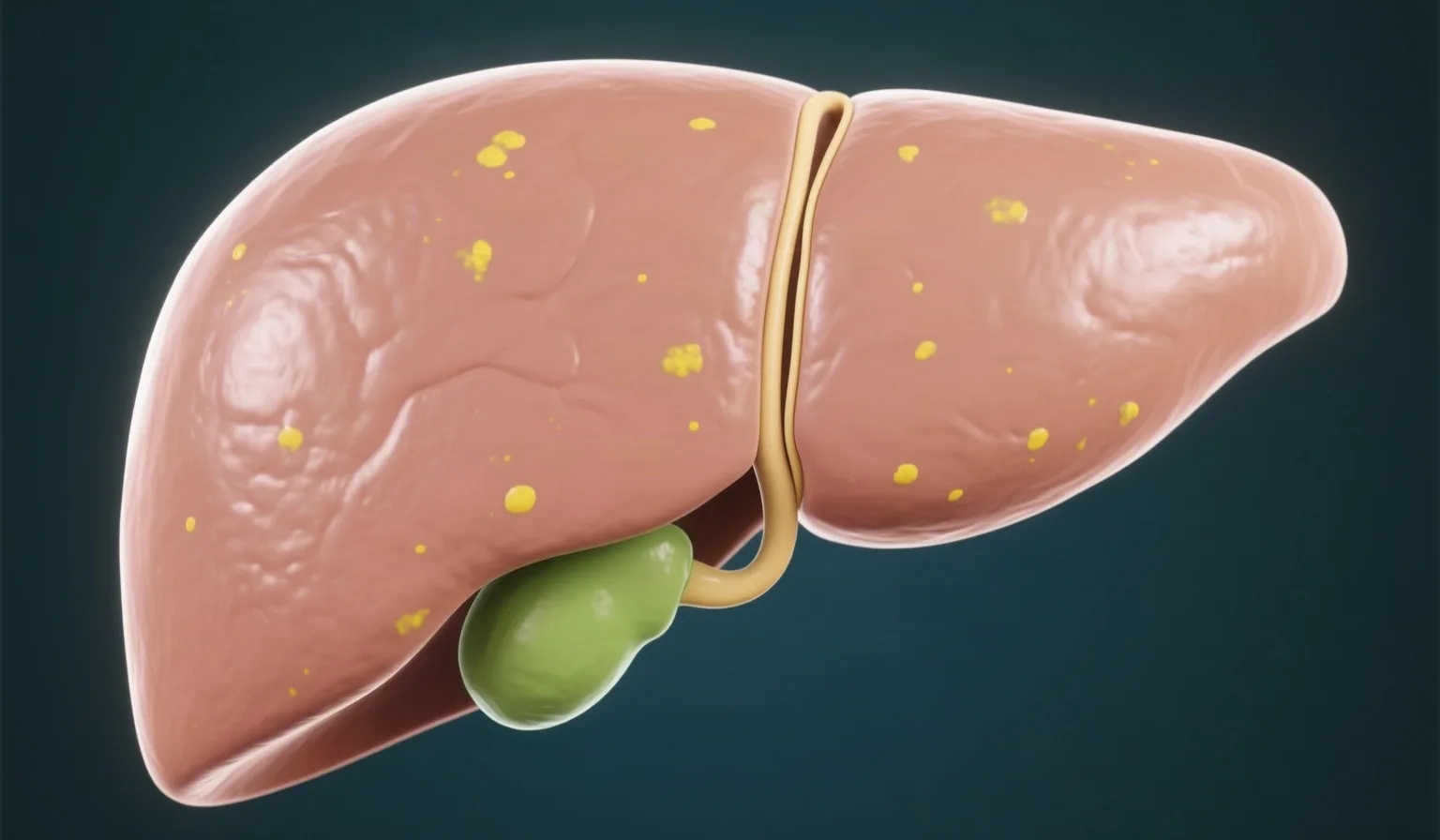
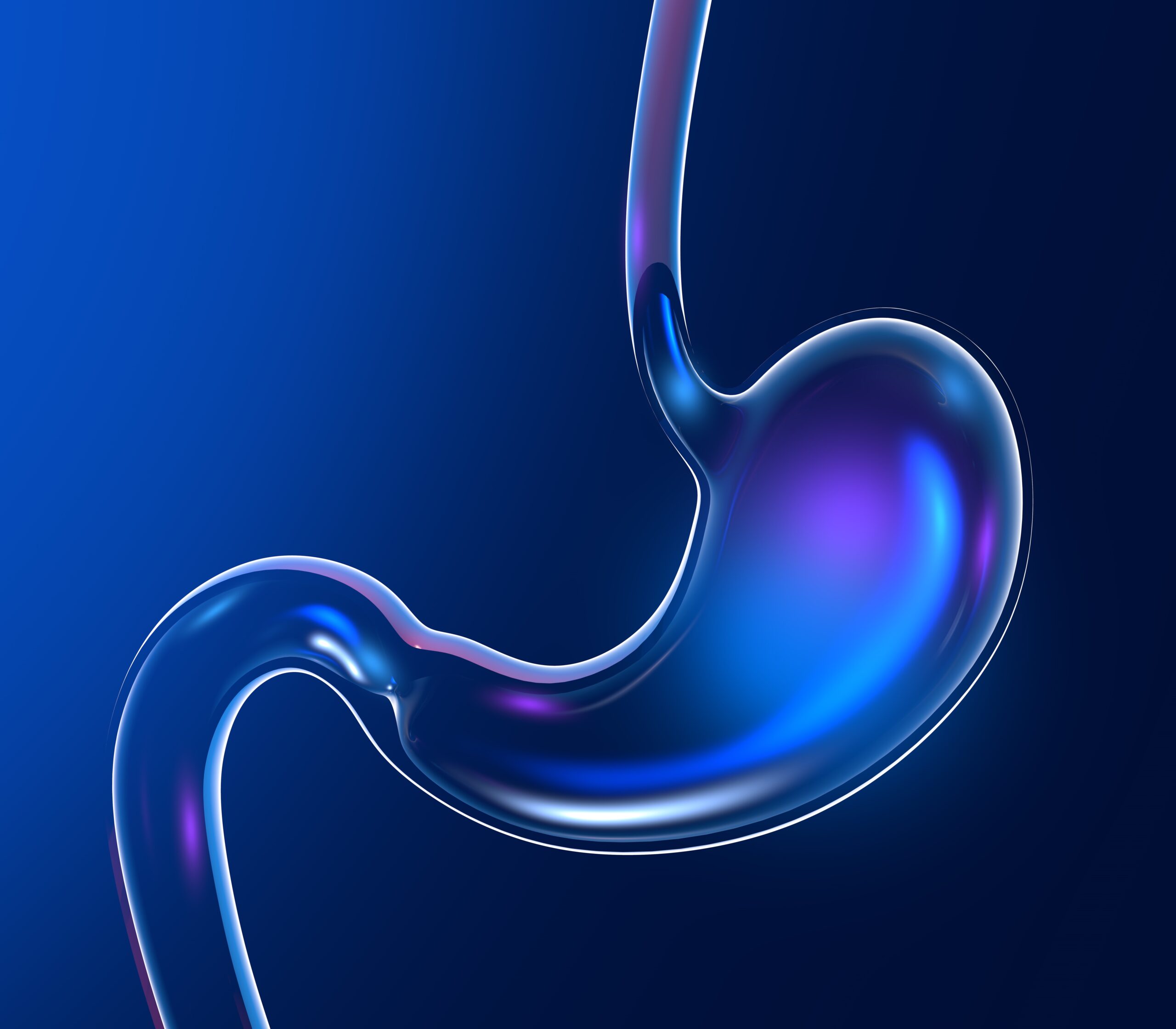
Stomach polyps are growths of tissue on the inner wall of the stomach. They can be single or multiple, small or larger in size. In most cases they are benign, but certain types tend to progress to malignancy, which makes their early removal necessary.
Main types of stomach polyps
- Hyperplastic polyps: the most common, usually benign, but with a chance of malignant transformation if they are large.
- Adenomatous polyps: less common, but with a higher risk of malignancy.
- Drug-related polyps (e.g., cystic polyps): associated with long-term use of medications such as proton pump inhibitors.
- Polyps associated with gastritis or H. pylori infection.
Understanding the type of polyp is essential to determine the right treatment strategy.
How are polyps diagnosed?
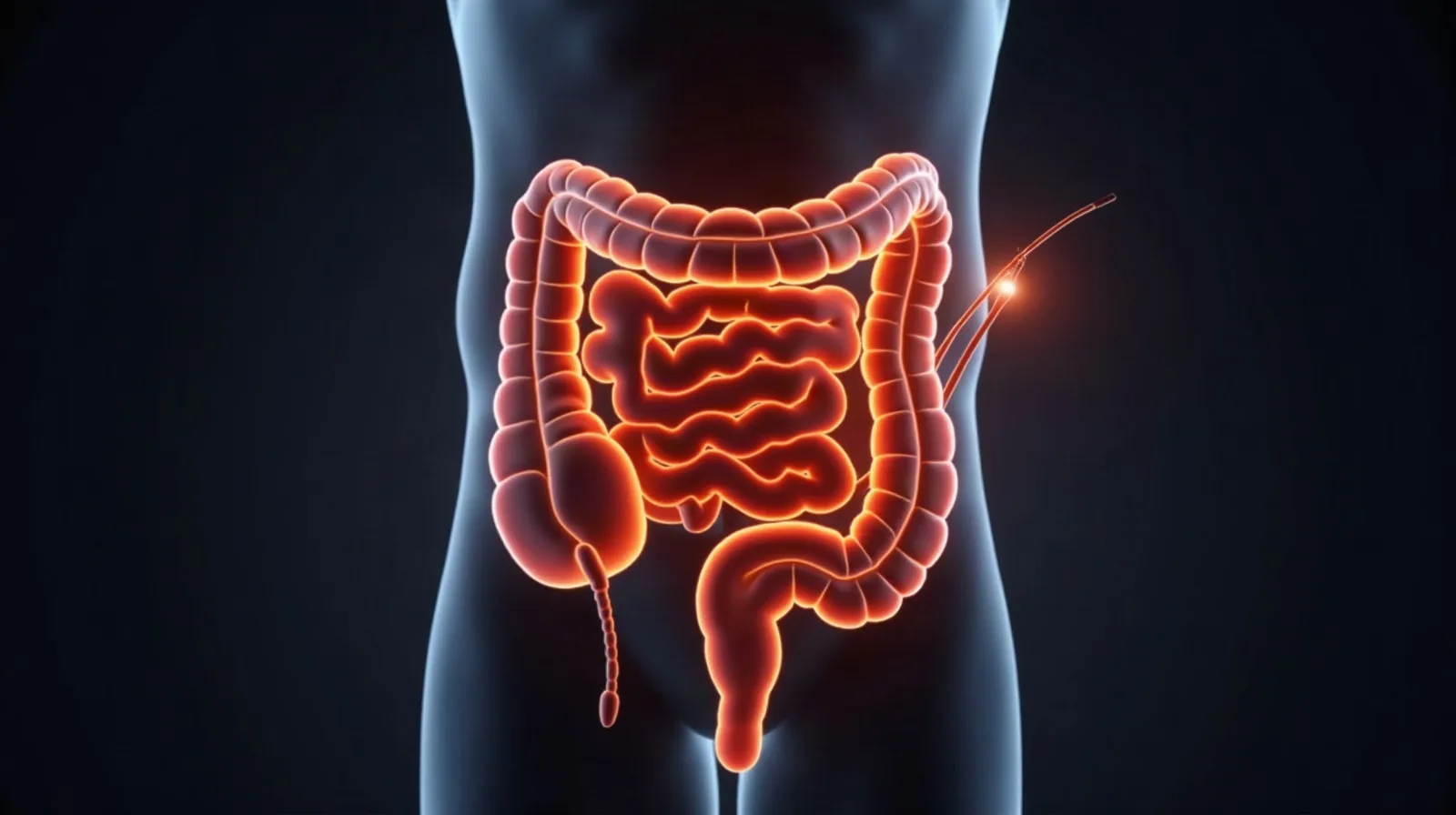
Diagnosis is based on gastroscopy, an endoscopic examination in which the doctor views the inside of the stomach with a high-definition camera.
- If the polyp is small, it can be removed right away during the examination.
- For larger polyps, a tissue sample (biopsy) is taken for pathology examination to determine their nature.
Correct diagnosis is the first step toward appropriate treatment.
What is endoscopic polyp removal (polypectomy)?
Endoscopic polypectomy is a minimally invasive procedure that allows polyps to be removed from the stomach without the need for open surgery. The procedure is performed using a gastroscope, a thin, flexible tube with a high-definition camera and special instruments at its tip. Through it, the gastroenterologist can see the inside of the stomach in detail and remove the polyp with precision.
Depending on the size and type of the polyp, different techniques can be used:
- Endoscopic mucosal resection (EMR), for larger or flat polyps.
- Endoscopic submucosal dissection (ESD), a more specialized method used in selected cases under general anesthesia.
The whole procedure is usually performed under light sedation or sedation/anesthesia, so that the patient feels no pain or discomfort. In most cases it takes from 20 minutes to 1 hour, depending on its complexity, and no hospital stay is needed – the patient can go home the same day.
The most important advantage of endoscopic polypectomy is that it combines diagnosis and treatment: the removed polyp is sent for pathology examination to confirm its nature and rule out the presence of malignancy. In this way, the patient receives complete and safe care with just one procedure.
What are the advantages of endoscopic removal?
Endoscopic polypectomy has become established internationally as the first choice for treating stomach polyps, because:
- Surgery is avoided, along with the risks that come with it.
- It is minimally invasive and painless.
- It allows immediate diagnosis through pathology examination.
- It offers fast recovery, with a return to activities within a few hours or days.
- It has high success and safety rates.
Are there any risks or complications?
Endoscopic removal is considered an extremely safe procedure. However, like any medical procedure, it may be accompanied by rare complications, such as:
- Minor bleeding at the removal site.
- Extremely rarely, perforation of the stomach.
Most complications are treated endoscopically right away, without the need for surgery.
What should the patient expect after the procedure?
After endoscopic removal, the patient is monitored for a short time and usually returns home the same day.
- A light diet is recommended for 24 hours.
- The patient can return to daily activities very quickly.
- Depending on the biopsy result, the gastroenterologist sets the follow-up schedule.
When should you see a gastroenterologist?
Polyps often cause no symptoms. However, it is important to consult a gastroenterologist if you have:
- Persistent stomach pain.
- Indigestion or nausea.
- Unexplained weight loss.
- Blood in the stool or in vomit.
Early diagnosis can prevent complications and save lives.
Endoscopic removal of stomach polyps is an effective, safe, and painless method that eliminates the risk of malignancy and relieves the patient of bothersome symptoms.
Dr. Thomas Thomaidis, MD, PhD, who specializes in advanced diagnostic & therapeutic endoscopy, has many years of experience in the endoscopic removal of polyps of the digestive system, offering safe and effective personalized care.
Send us your request
Fill in your details and we will contact you to schedule your appointment.
Content last updated: October 2026 (12/10/2026).