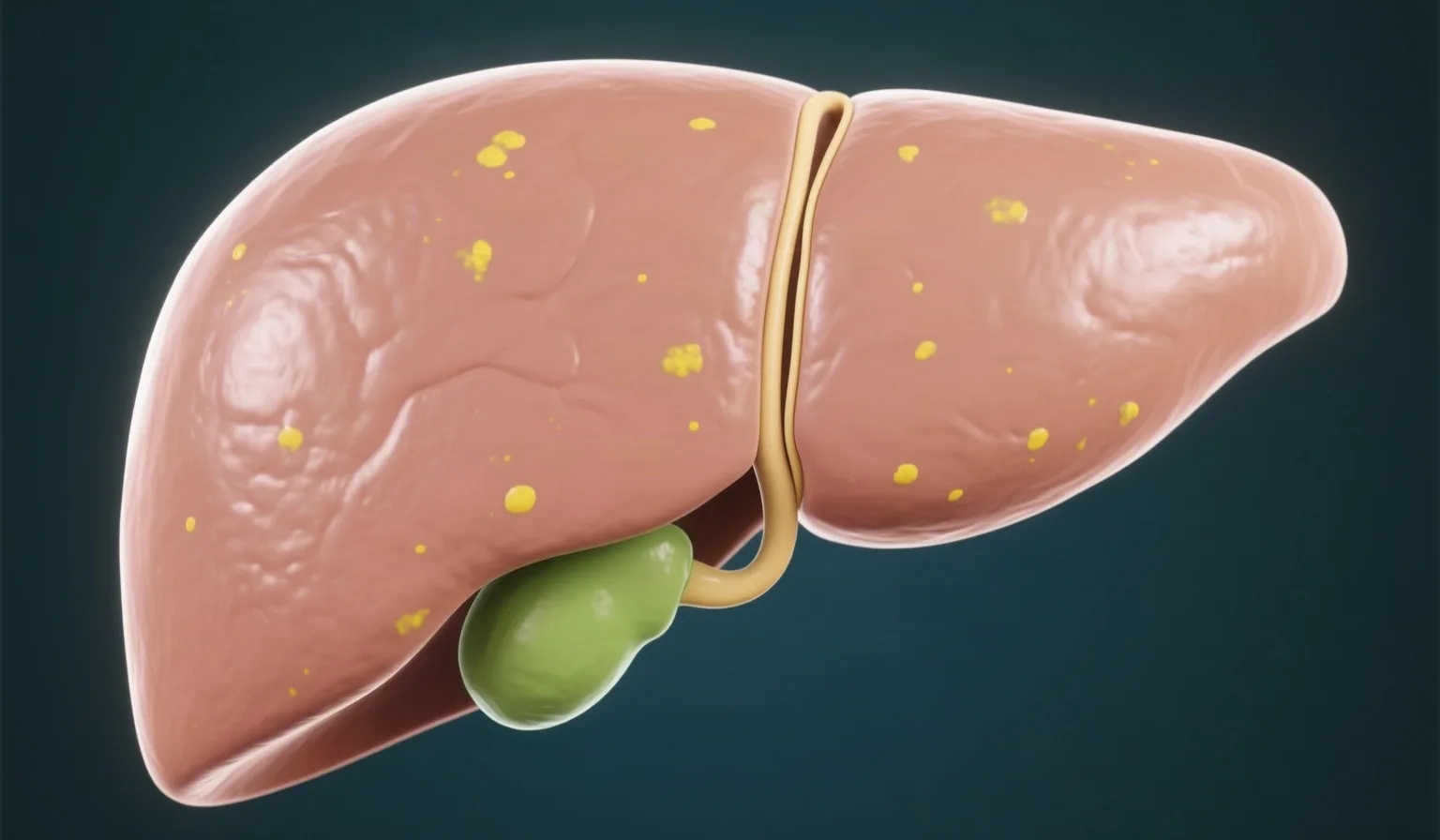
A neuroendocrine tumour of the pancreas is a growth arising from the hormone producing cells of the gland. Behaviour varies widely: most are well differentiated and slow growing, while poorly differentiated neuroendocrine carcinomas are aggressive. Grading follows the Ki-67 index under the WHO 2019 classification.
Typical illustration of a neuroendocrine tumor in the pancreas. Both plain endoscopic ultrasound and the use of intravenous contrast agent provide characteristic images.
What endoscopic ultrasound provides
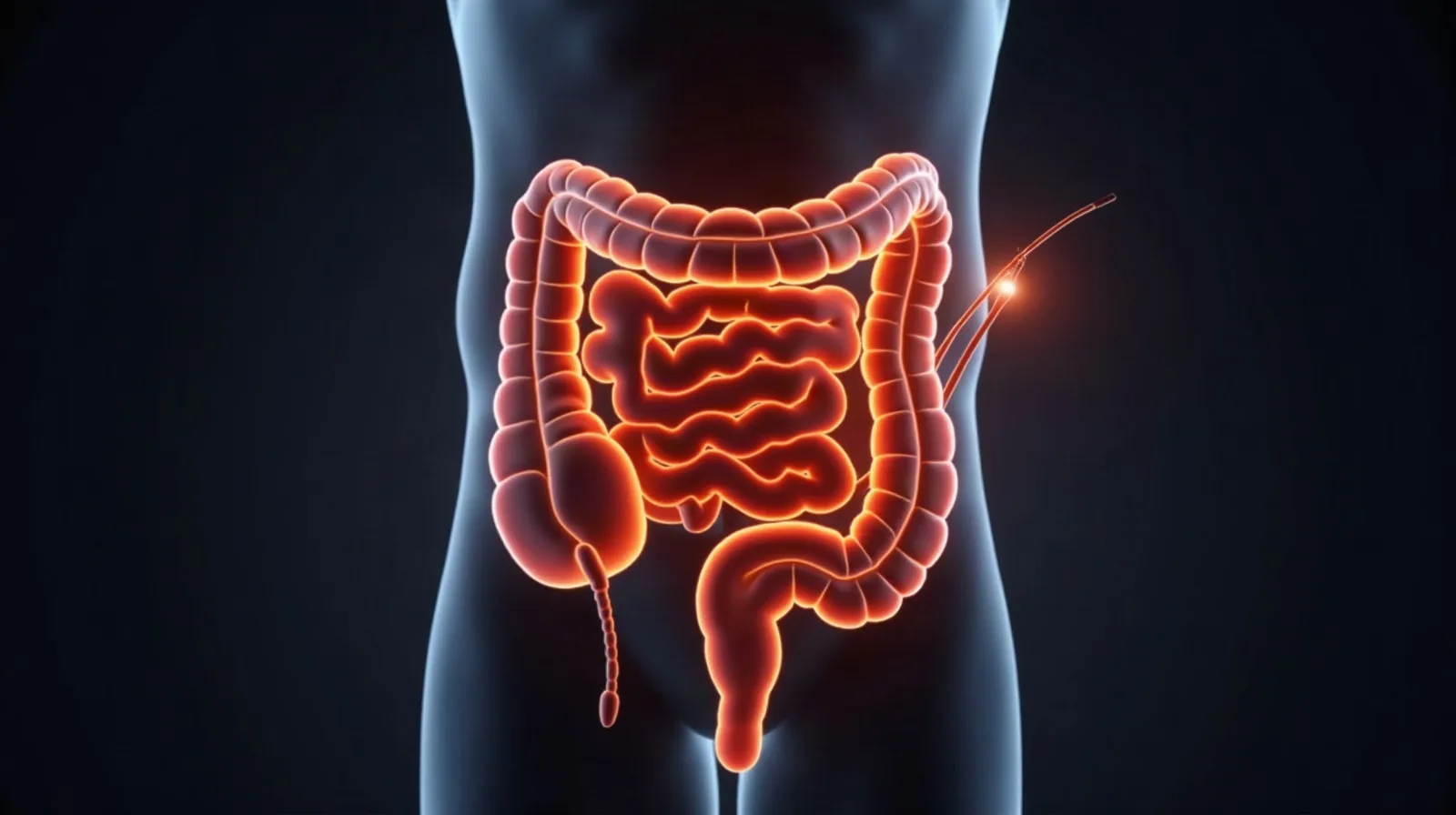
Endoscopic ultrasound combines an endoscope and an ultrasound transducer in one instrument. The probe reaches the pancreas through the stomach or duodenum, within millimetres of the organ, with no intervening bowel gas or abdominal wall. This gives resolution no other modality offers for the pancreas, detecting lesions of a few millimetres that escape CT.
How a neuroendocrine tumour is recognised
Pancreatic neuroendocrine tumours have a characteristic appearance: usually well demarcated, rounded and hypoechoic relative to the surrounding parenchyma. This distinguishes them from adenocarcinoma, which typically has ill defined margins and infiltrative behaviour.
What contrast adds
Intravenous contrast makes the difference clearer. Neuroendocrine tumours are richly vascularised and enhance strongly, while adenocarcinoma is hypovascular and remains dark. Imaging guides but does not replace histological confirmation; the diagnosis and the grade based on the Ki-67 index come from biopsy.
After the procedure
The material obtained is sent for histology, and it is that report rather than the endoscopic appearance that determines the next step. Recovery is short compared with surgery: eating and normal daily activities are generally resumed within a few days. Patients are given instructions on avoiding strenuous effort and on medications affecting coagulation, in particular anticoagulants and antiplatelet agents. Decisions about further treatment are usually taken by a multidisciplinary team, taking histology, staging and general condition into account.
Key figures: Grading under the WHO 2019 classification follows the Ki-67 index: G1 below 3 percent, G2 3 to 20 percent, G3 above 20 percent. Endoscopic ultrasound detects lesions of a few millimetres that escape CT.
Frequently asked questions
Sources
- Cancer Research UK, Neuroendocrine tumours (NETs). https://www.cancerresearchuk.org/about-cancer/neuroendocrine-tumours-nets
Content last updated: September 2026 (22/09/2026).