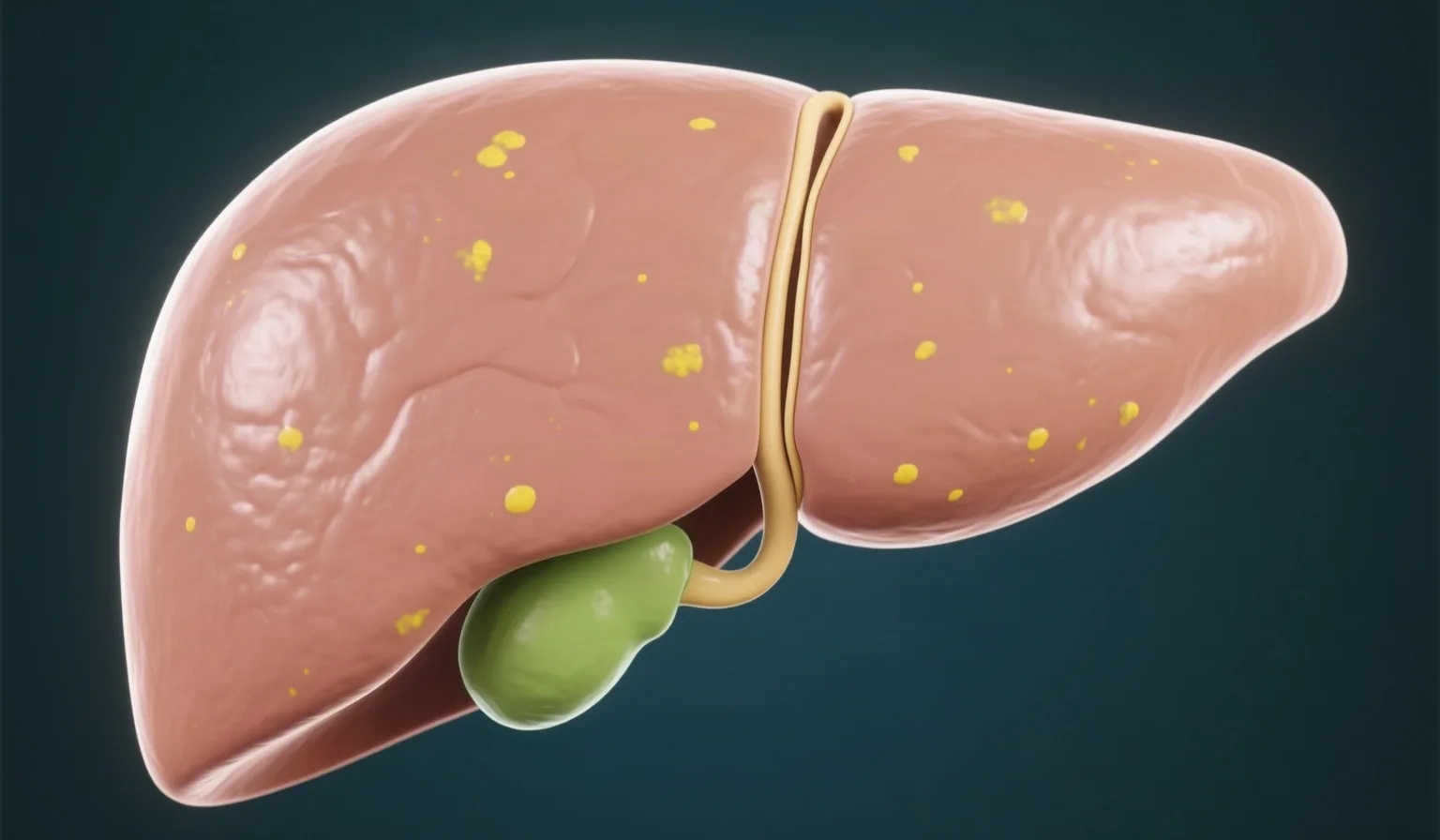
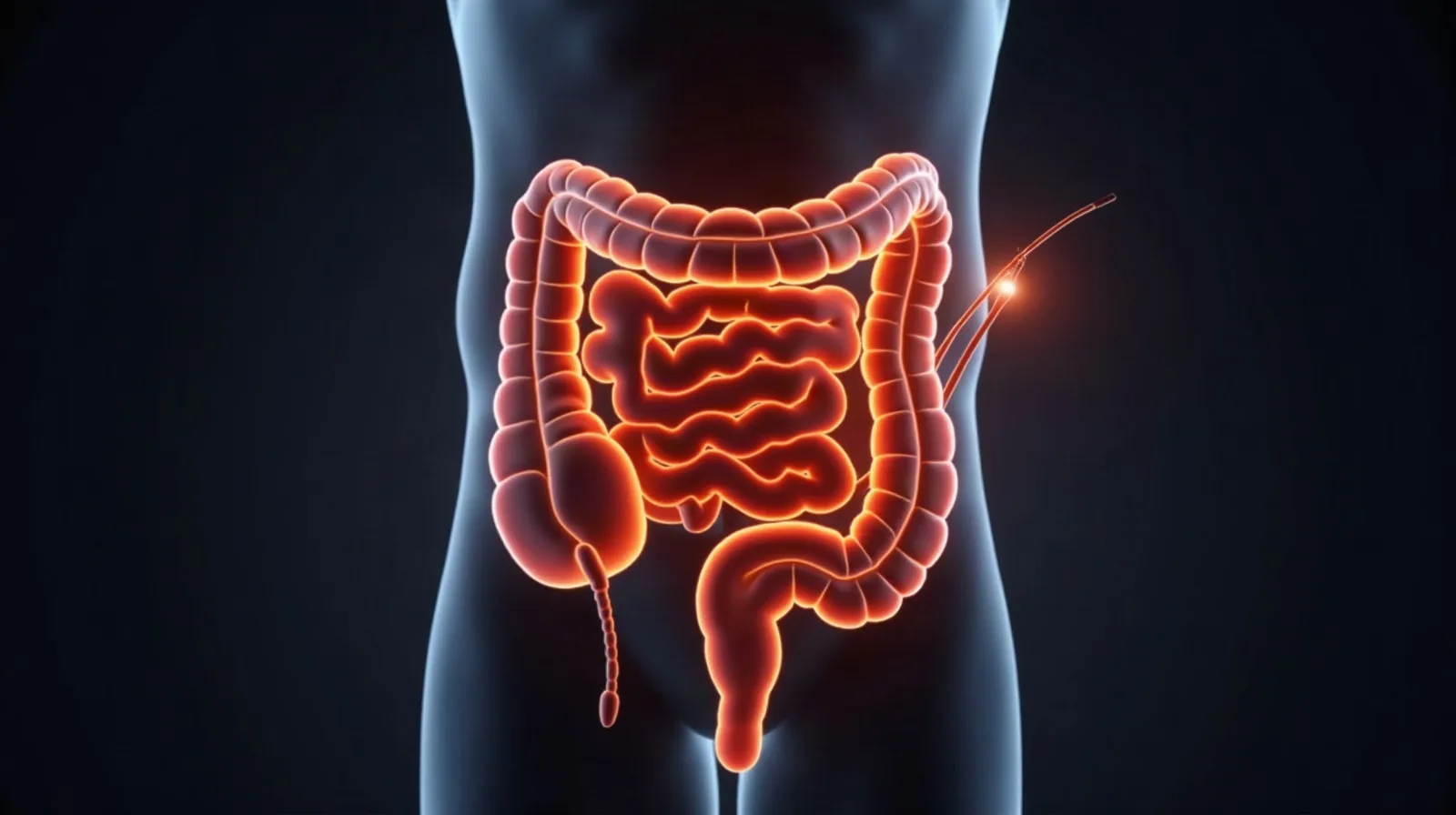
EUS-FNB of an ill defined mass in the head of the pancreas. The final histology revealed pancreatic adenocarcinoma
What endoscopic ultrasound provides
Endoscopic ultrasound combines an endoscope and an ultrasound transducer in one instrument. The probe reaches the pancreas through the stomach or duodenum, within millimetres of the organ, with no intervening bowel gas or abdominal wall. This gives resolution no other modality offers for the pancreas, detecting lesions of a few millimetres that escape CT.
Fine needle sampling: FNA and FNB
Sampling is performed under continuous ultrasound guidance, so the needle is tracked in real time and vessels are avoided. FNA yields cytological material, while FNB provides a tissue core with preserved architecture, allowing immunohistochemistry and molecular testing.
Why it matters in the pancreas
In pancreatic cancer, tissue confirmation is required before systemic or neoadjuvant treatment begins. The reverse is equally important: a pancreatic mass is not always cancer, and may represent focal or autoimmune pancreatitis.
After the procedure
The material obtained is sent for histology, and it is that report rather than the endoscopic appearance that determines the next step. Recovery is short compared with surgery: eating and normal daily activities are generally resumed within a few days. Patients are given instructions on avoiding strenuous effort and on medications affecting coagulation, in particular anticoagulants and antiplatelet agents. Decisions about further treatment are usually taken by a multidisciplinary team, taking histology, staging and general condition into account.
Key figures: Endoscopic ultrasound detects pancreatic lesions from 3 to 5 mm, well below the threshold of CT. Fine needle biopsy is performed under real time guidance across a path of only a few centimetres, which is why complications remain uncommon.
Needles are available in 19, 22 and 25 gauge. The choice depends on the site and consistency of the lesion: finer needles are more flexible and suit difficult angles, while larger ones yield more tissue. Typically 2 to 4 needle passes provide sufficient material.
Frequently asked questions
Sources
- National Health Service, Pancreatic cancer. https://www.nhs.uk/conditions/pancreatic-cancer/
Content last updated: September 2026 (22/09/2026).