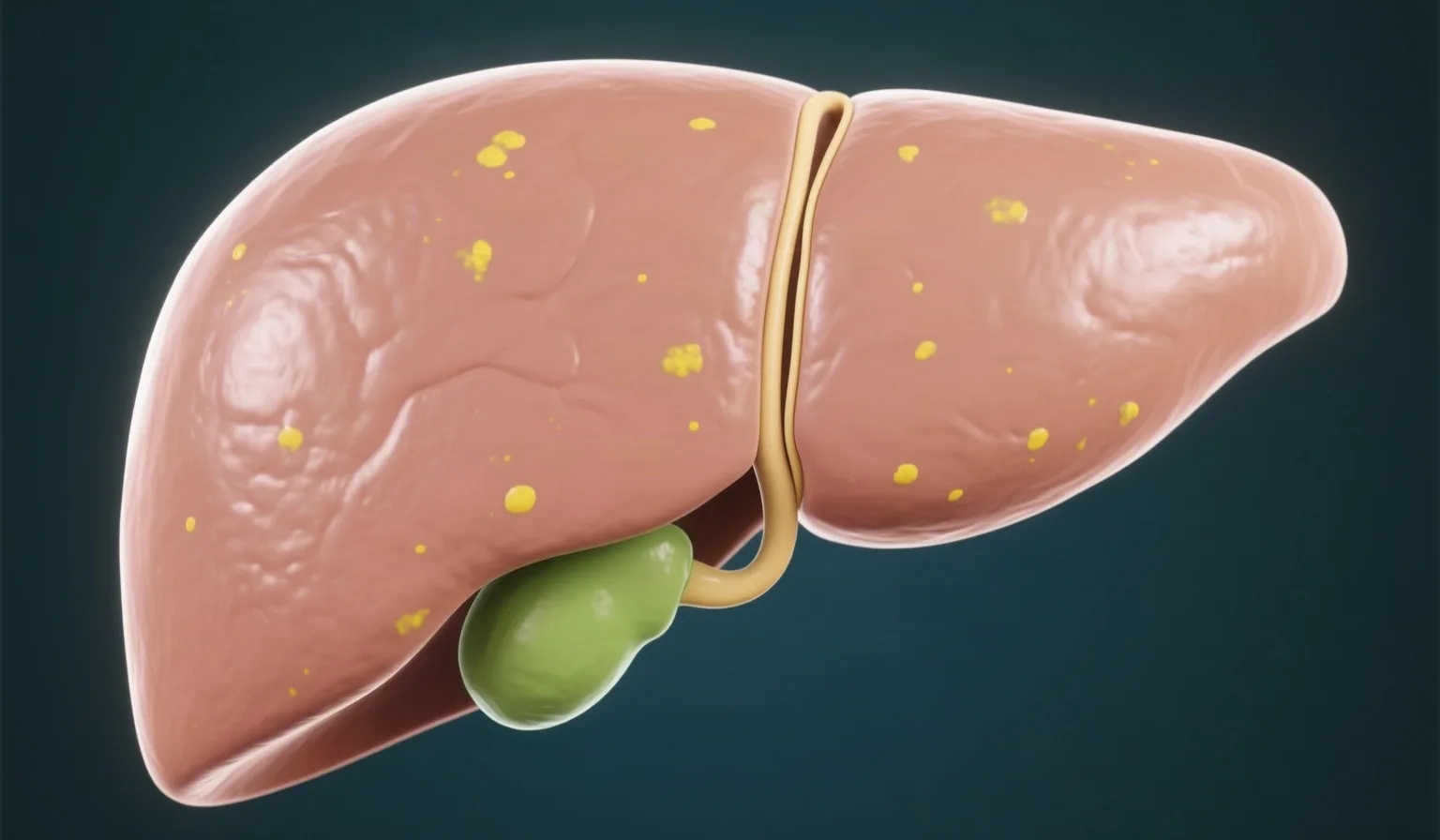
An early esophageal adenocarcinoma in a patient with Barrett’s esophagus.
ESD was performed to ensure complete and curative resection. The patient was discharged day 1 after operation. An esophagectomy was therefore not necessary.
From Barrett to early adenocarcinoma
Barrett oesophagus is replacement of the normal squamous lining of the lower oesophagus by columnar epithelium, an adaptation to chronic acid exposure. It is not cancer, but it is the principal risk factor for oesophageal adenocarcinoma. Progression passes through low grade and high grade dysplasia before invasive cancer develops.
Why therapeutic resection is required
In early adenocarcinoma, sampling is not enough. Complete en bloc resection is required so the pathologist can assess depth of invasion and whether margins are clear. These two findings determine whether removal was oncologically adequate.
The alternative
The conventional option for oesophageal cancer is oesophagectomy, major surgery with removal of part of the oesophagus and reconstruction, prolonged hospital stay and lasting consequences for eating. When the lesion is early, endoscopic removal gives an equivalent oncological result while preserving the organ.
What follows
Resection is usually followed by ablation of the remaining Barrett segment, so that no epithelium capable of progressing is left behind, and by close endoscopic surveillance with targeted biopsies.
After the procedure
The material obtained is sent for histology, and it is that report rather than the endoscopic appearance that determines the next step. Recovery is short compared with surgery: eating and normal daily activities are generally resumed within a few days. Patients are given instructions on avoiding strenuous effort and on medications affecting coagulation, in particular anticoagulants and antiplatelet agents. Decisions about further treatment are usually taken by a multidisciplinary team, taking histology, staging and general condition into account.
Frequently asked questions
Sources
- European Society of Gastrointestinal Endoscopy, Post-polypectomy colonoscopy surveillance: ESGE Guideline Update 2020. https://doi.org/10.1055/a-1185-3109
Content last updated: September 2026 (22/09/2026).