Pancreatic cancer has a reputation for developing silently. In reality, it often shows signs earlier than we think, but these signs are mild and resemble common digestive complaints. Recognizing them, especially when they persist or occur together, is the most realistic tool for an earlier diagnosis.
At a glance
- Early symptoms are subtle and nonspecific. They are often blamed on indigestion, stress or a gallbladder problem.
- Painless jaundice, meaning yellowing of the eyes and skin without pain, is the most characteristic sign and requires immediate assessment.
- Diabetes that first appears at an older age, especially together with unexplained weight loss, is worth investigating.
- There is no screening for the general population. Organized surveillance is only for people at high risk.
Why the first signs go unnoticed
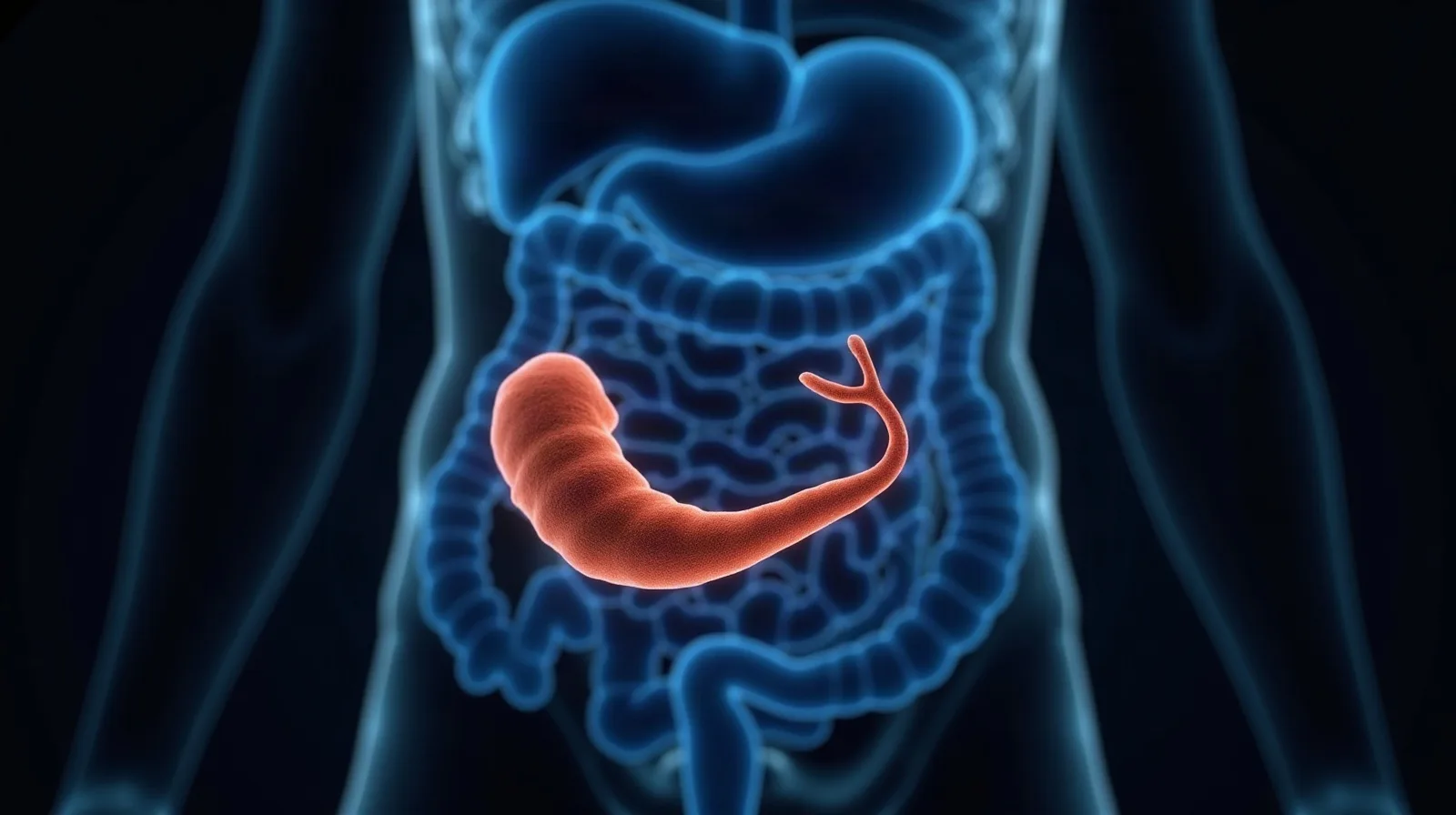
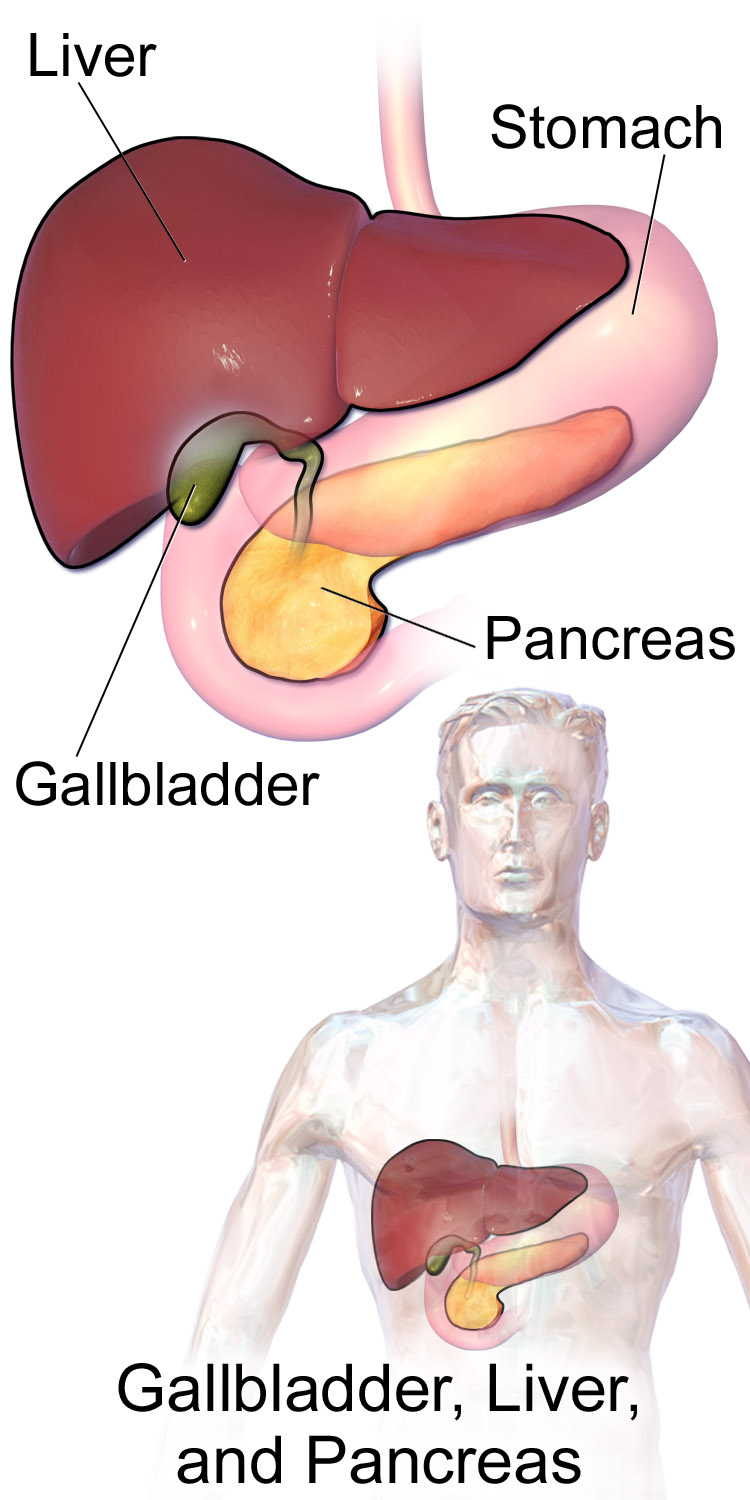
The pancreas lies deep in the abdomen, behind the stomach. A small tumor has room to grow without pressing on structures that are sensitive to pain. Its location also determines when the first symptom appears: tumors in the head of the pancreas can block the common bile duct relatively early and cause jaundice, while tumors in the body or tail often take longer to cause symptoms and show up as pain or weight loss.
The second obstacle is that the symptoms are not specific. Indigestion, fatigue and back pain have dozens of common, benign causes. What stands out is not a single complaint on its own, but how long it lasts, whether it comes with other signs and whether it is new in a middle-aged or older person.
The subtle signs worth paying attention to
The list below is not a diagnostic checklist. These are findings that, when they persist or occur together, justify a medical assessment.
| Sign | What it may indicate |
|---|---|
| Painless jaundice | Yellowing of the eyes and skin, dark urine, pale stools, itching. It suggests a blockage of the common bile duct and needs immediate assessment. |
| Upper abdominal pain radiating to the back | Often dull, it gets worse when you lie on your back and eases when you lean forward. |
| Unexplained weight loss | Losing weight without dieting, often together with reduced appetite and feeling full early. |
| New-onset diabetes | Diabetes that first appears at an older age, or existing diabetes that suddenly becomes hard to control, especially together with weight loss. |
| Fatty stools (steatorrhea) | Bulky, pale, foul-smelling stools that float. They suggest reduced secretion of pancreatic enzymes. |
| Persistent indigestion and nausea | Discomfort after eating, especially after fatty meals, that does not go away with the usual treatment. |
| Unexplained fatigue | Severe fatigue that does not improve with rest and is not explained by another cause. |
| Thrombosis with no obvious cause | Deep vein thrombosis, usually in the legs, with no other triggering factor. |
A word of caution on interpretation: none of the above means cancer on its own. Most of the time, these signs are caused by much more common, benign conditions. Their value lies in the fact that, when they persist beyond a few weeks or appear in combination, they lead to earlier testing.
Painless jaundice: the sign that cannot wait
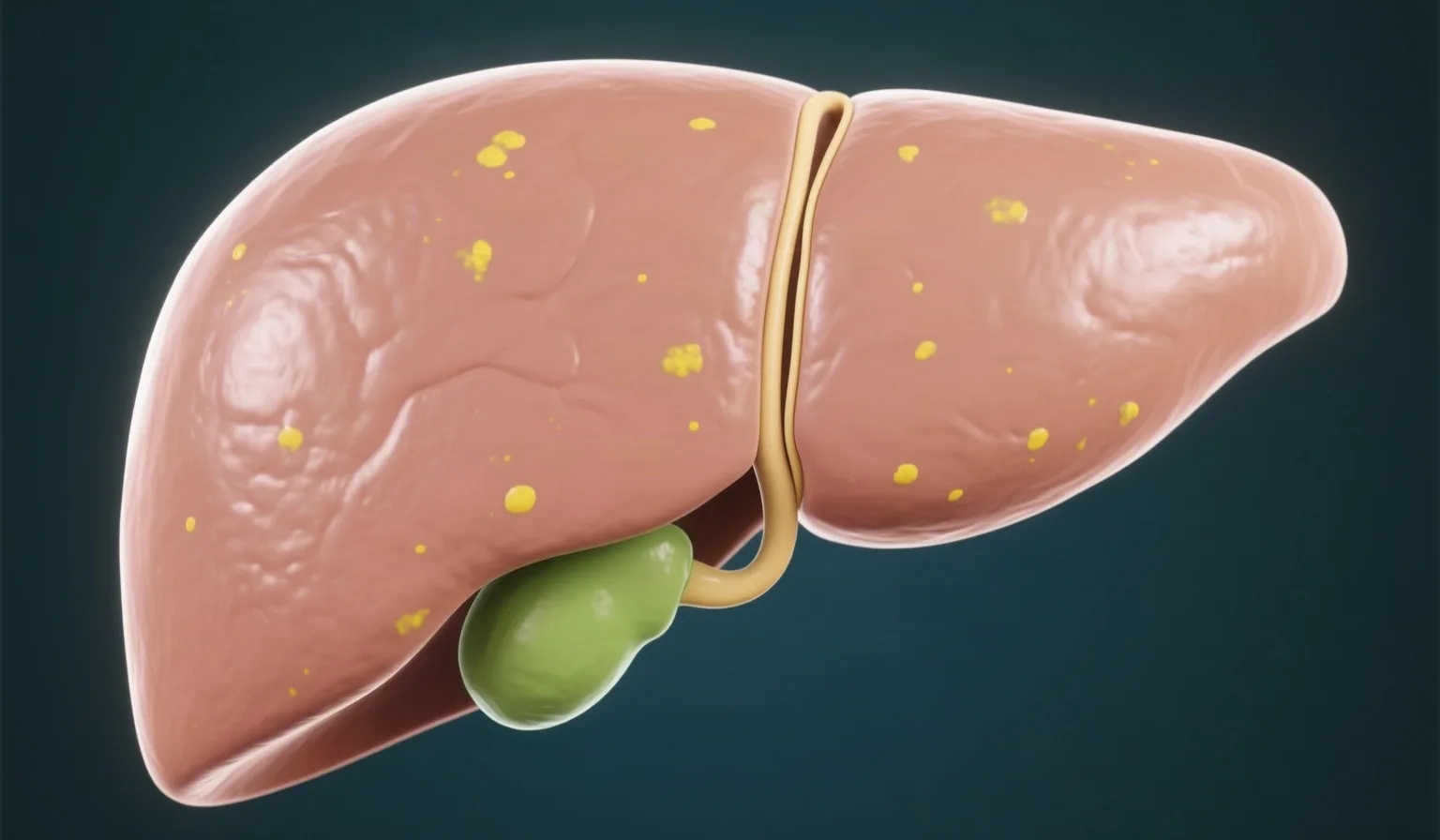
Jaundice appears when the flow of bile to the intestine is blocked. When it comes with severe pain and fever, it is more often caused by stones in the bile ducts. But when it develops gradually and without pain, the suspicion of a blockage caused by a tumor in the head of the pancreas becomes stronger.
New-onset diabetes as a possible early sign
The vast majority of people who develop diabetes do not have pancreatic cancer. However, the link does exist and works in two directions: long-standing diabetes is a mild risk factor, while diabetes that appears suddenly can, in a small percentage of cases, be the first sign of the disease.
The combination that should prompt testing is specific: new diabetes in an older person without the usual predisposing factors, especially when it comes with unexplained weight loss. In these cases, clinical guidelines recommend urgent imaging of the abdomen. The same applies to diabetes that suddenly becomes hard to control for no obvious reason.
When you need immediate assessment
Some findings cannot wait. See a doctor without delay if you notice:
- Jaundice, even if mild, with or without itching
- Dark urine together with pale stools
- Persistent pain in the upper abdomen or the middle of the back that lasts longer than a few weeks
- Unexplained weight loss, especially in people over 60
- New-onset diabetes together with weight loss
- Persistent steatorrhea or thrombosis with no obvious cause
How the investigation works
The approach is step by step and is tailored to the clinical findings:
- Clinical assessment and lab tests. Medical history, physical examination, liver function tests and bilirubin levels. The tumor marker CA 19-9 helps with monitoring, but it is not used as a screening test.
- Imaging. An abdominal ultrasound is often the first step when there is jaundice. A CT scan with a pancreatic protocol is the standard test, while MRI with MRCP gives a better view of the ducts and of cystic lesions.
- Endoscopic ultrasound (EUS). EUS is better at detecting small lesions that may be missed on CT, and it allows tissue sampling with a fine needle in the same session, so that a histological diagnosis can be made.
- ERCP. Endoscopic retrograde cholangiopancreatography now has a mainly therapeutic role: when there is a blockage, it restores the flow of bile by placing a stent.

Who needs surveillance
For the general population, there is no screening like the one for colon cancer, because the disease is less common and there is no simple test that is accurate enough. Organized surveillance is recommended for specific groups at increased risk:
- People with hereditary syndromes or with several first-degree relatives who have had pancreatic cancer
- People with cystic lesions of the pancreas that need follow-up
- People with chronic pancreatitis, especially the hereditary form
Modifiable risk factors for pancreatic cancer include smoking (the strongest of them), obesity and high alcohol intake. Age, family history and long-standing diabetes are factors that cannot be changed or can be changed only in part.
Frequently asked questions
Book your appointment with Dr. Thomaidis
Are you worried about symptoms that won’t go away, or are you in a higher-risk group? A timely, specialist assessment clarifies the picture. Contact us today to schedule an appointment.
Send your request
Fill in your details and we will contact you to schedule your appointment.
Sources
- NHS – Symptoms of pancreatic cancer. nhs.uk
- NICE – Suspected cancer: recognition and referral (NG12). nice.org.uk
- ESGE – Indications, results, and clinical impact of EUS-guided sampling in gastroenterology: ESGE Clinical Guideline. esge.com
- American Cancer Society – Signs and Symptoms of Pancreatic Cancer. cancer.org

About the doctor
Dr. Thomas Thomaidis, MD, PhD – Interventional Gastroenterologist. Associate Professor of Gastroenterology specializing in diagnostic and therapeutic endoscopy, and a member of international scientific societies (ASGE, DGVS, Hellenic Society of Gastroenterology). See his full CV.
This article is for informational purposes only and does not replace personalized medical advice, diagnosis or treatment. For your own evaluation, consult a doctor.
Content last updated: October 2026 (12/10/2026).